











Our editorial team individually chooses every product that is suggested on obonappetite. We might get paid if you buy something after clicking on any of these links.
Ambrosia dessert is a classic American fruit salad made with mandarin oranges, pineapple chunks, mini marshmallows, coconut flakes, and whipped cream. It takes just 10 minutes to prep, requires no cooking, and needs 1–2 hours of chilling before serving.
Few desserts carry the nostalgic weight of a well-made ambrosia dessert. Creamy, fruity, and effortlessly light, this classic fruit salad has graced holiday tables and potluck spreads across America since the 1800s. The name “ambrosia” comes from Greek mythology—it was the food of the gods. One bite, and you’ll understand why.
This guide walks you through how to make ambrosia dessert from scratch, with tips for getting the texture just right, smart substitution ideas, and answers to the most common questions home cooks ask. Whether you’re making it for a weeknight treat or a Christmas spread, this recipe delivers every time.
Here’s everything you need to make the best ambrosia salad recipe:
Optional add-ins: sliced bananas, strawberries, blueberries, or kiwifruit for a colorful twist.
Step 1: Prep the Fruit & Marshmallows
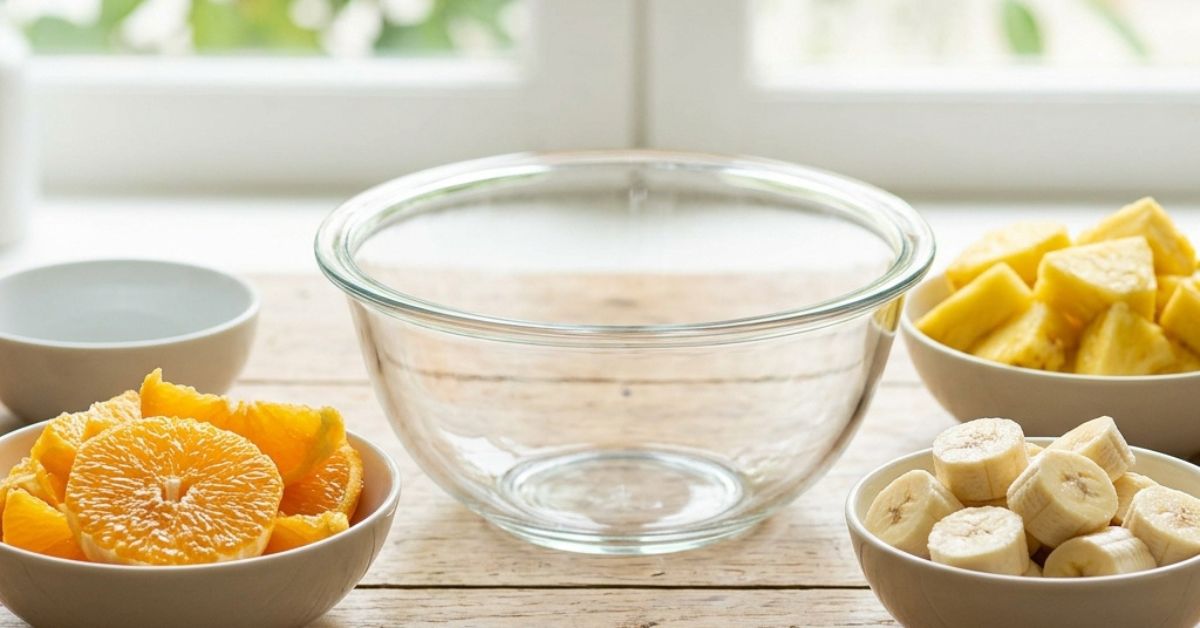
Drain the mandarin oranges and pineapple chunks thoroughly using a colander. Excess liquid will water down your cream base and make the ambrosia dessert runny. Pat the fruit gently with a paper towel if needed. Add the drained fruit and mini marshmallows to your large mixing bowl.
Step 2: Whip the Cream Base
In a separate bowl, gently fold together the sour cream (or strained yogurt), whipped cream, vanilla extract, and sugar. Mix until smooth and fully combined. The sour cream adds a slight tang that balances the sweetness of the fruit and marshmallows beautifully.
Step 3: Combine Everything
Pour the cream base over the fruit and marshmallow mixture. Add the coconut flakes. Using a rubber spatula, gently fold everything together until the fruit is evenly coated. Be careful not to overmix—you want to keep the fruit pieces intact.
Step 4: Chill
Cover the bowl with plastic wrap and refrigerate for at least 1–2 hours. This step is key. Chilling allows the marshmallows to soften slightly, the coconut to absorb the cream, and all the flavors to meld together. For the best texture and taste, chilling overnight is even better.
Step 5: Serve & Garnish
When ready to serve, give the ambrosia dessert a gentle stir. Spoon into individual bowls or a large serving dish. Top with maraschino cherries and a small dusting of extra coconut flakes. Serve chilled and enjoy immediately.
Ambrosia dessert has a fascinating history. Food historians trace the classic ambrosia salad recipe back to the American South in the late 1800s. Early versions were simple—just oranges and coconut. Over time, the recipe evolved to include pineapple chunks, marshmallows, and whipped cream, with the 1950s ambrosia salad recipe becoming the crowd-pleasing, creamy version most people recognize today.
The Pioneer Woman ambrosia salad recipe and the Taste of Home ambrosia salad recipe are two of the most-searched modern versions, both of which follow this same timeless formula. What makes the ambrosia dessert so enduring is its simplicity. No baking required. No special skills needed. Just a bowl, a few pantry staples, and a little patience.
It’s also incredibly versatile. Serve it as a side dish at a holiday dinner, a dessert at a summer cookout, or a sweet snack any day of the week. The ambrosia dessert fits almost every occasion.
Absolutely. Here are a few easy variations:
The ambrosia fruit base is forgiving. As long as you keep the cream-to-fruit ratio balanced, it’s hard to go wrong.
Yes, you can use fresh fruit instead of canned. Fresh mandarin oranges and pineapple chunks both work well. Keep in mind that fresh fruit releases more moisture than canned, so pat it dry before adding it to the bowl. Add any fresh additions like sliced bananas or strawberries just before serving to keep them from getting mushy.
Ambrosia dessert will keep in an airtight container in the refrigerator for up to 3 days. After day two, the texture starts to soften as the marshmallows absorb more moisture. It’s still safe to eat, but the mouthfeel changes. For the best results, consume within 24–48 hours of making it.
Yes, ambrosia dessert is a great make-ahead recipe. Prepare it the night before your event, cover it with plastic wrap, and refrigerate overnight. The extra chill time actually improves the flavor. Just give it a gentle stir before serving and add fresh garnishes like maraschino cherries right before plating.
Ambrosia is commonly served as both. In the American South, it’s often served as a side dish alongside savory holiday meals. In other regions, it’s treated as a chilled dessert. The sweetness level and serving size typically determine how it’s categorized. Either way, most people agree it belongs on the table.
Ambrosia dessert originated in the American South in the late 1800s. Early recipes featured only oranges and coconut. The dish grew in popularity throughout the 20th century, with the 1950s ambrosia salad recipe adding marshmallows and whipped cream to create the version most commonly made today.

Our editorial team individually chooses every product that is suggested on obonappetite. We might get paid if you buy something
Our editorial team individually chooses every product that is suggested on obonappetite. We might get paid if you buy something

Our editorial team individually chooses every product that is suggested on obonappetite. We might get paid if you buy something