




Our editorial team individually chooses every product that is suggested on obonappetite. We might get paid if you buy something after clicking on any of these links.
Borghese cosmetics, the luxury Italian-inspired beauty brand founded by Marcella Borghese and known for its iconic Fango mud mask, underwent significant ownership changes and product line reductions over the years. The brand still exists but operates at a much smaller scale than its peak, with limited distribution through select retailers.
If you’ve ever reached for a Borghese product and come up empty-handed, you’re not alone. Fans of the brand have been asking the same question for years: what happened to Borghese cosmetics? The answer involves corporate restructuring, ownership transfers, and a shrinking product lineup that left many loyal customers searching for alternatives.
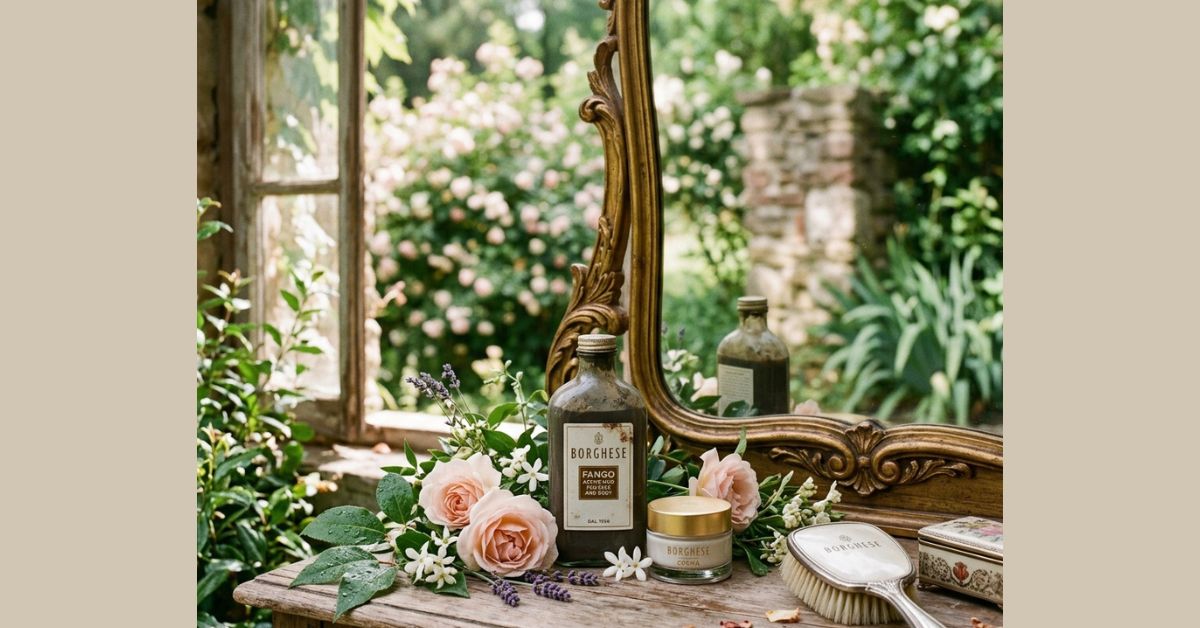
Borghese was once a staple in upscale department stores like Nordstrom and on shopping channels like HSN. Its products—particularly the legendary Fango Active Mud for Face & Body—built a devoted following. But somewhere along the way, the brand lost its footing. Understanding what happened helps explain why certain products disappeared and where you can still find Borghese today.
Borghese cosmetics traces its roots back to Marcella Borghese, an Italian noblewoman who helped bring European beauty traditions to American consumers in the 1950s. The brand drew heavily on Italian spa culture, mineral-rich mud treatments, and botanical ingredients sourced from Italy.
The Fango mud mask became the brand’s signature product. It used volcanic mineral-rich mud from Saturnia, a famous thermal spa region in Tuscany. For decades, it stood out as one of the few luxury skincare products with a genuinely unique, Italy-sourced ingredient story.
Borghese skincare reviews from longtime customers consistently praised the Fango line for its effectiveness. The brand also offered Borghese foundation, Borghese lipstick, and a wide range of treatment serums. At its height, the Borghese family of products spanned skincare, color cosmetics, and spa-inspired body treatments.
The story of what happened to Borghese cosmetics in 2020 and beyond starts much earlier—with a series of ownership transfers that gradually shifted the brand’s direction.
Revlon acquired Borghese at one point, bringing the brand under a large corporate umbrella. That merger activity changed how the brand was marketed and distributed. Over time, Borghese, Inc. separated from Revlon and continued as an independent entity, but the damage to its distribution network was already done.
Dawn Hilarczyk later became associated with the brand’s leadership during a period of restructuring. Under changing ownership, Borghese scaled back its product line considerably. Many of the color cosmetics, including the Borghese lipstick range and Borghese foundation shades, were quietly discontinued.
Borghese discontinued products span nearly every category. The color cosmetics line was hit hardest. Shoppers who once relied on Borghese makeup found that staples simply vanished from shelves without formal announcement.
The skincare line fared better. Products in the Fango and Cura lines continued to sell, and Borghese skincare reviews remained strong for the items that survived the cuts. However, the brand’s overall footprint shrank dramatically.
Distribution through major department stores declined. Borghese makeup, once available at Nordstrom counters nationwide, became harder to find in physical retail locations. The brand shifted more of its sales online and through select specialty retailers like Violet Grey.
The brand faced pressure from multiple directions. Larger beauty conglomerates had bigger marketing budgets. Indie skincare brands were capturing consumer attention with transparent ingredient stories. And the market withdrawal from major retail channels hurt brand visibility.
Financial difficulties likely played a role in the reduced product output. Launching and maintaining a full cosmetics line—especially one with premium Italian-sourced ingredients—requires significant investment. Without the backing of a major parent company, Borghese, Inc. had to make hard choices about which products to keep.
Yes, Borghese is still in business. The brand operates primarily through its own website and a handful of third-party online retailers. You can find Borghese makeup where to buy guides pointing to platforms like Amazon and specialty beauty sites.
Violet Grey carries a curated selection of Borghese skincare. The Fango Active Mud remains the brand’s flagship and is still widely available. If you’re looking for Borghese foundation or Borghese lipstick, availability varies—some shades and formulas appear on third-party marketplaces, though not always with guaranteed freshness.
Borghese shares shelf space—conceptually, at least—with brands like Perlier, another Italian-heritage beauty line with a strong botanical focus. Both brands emphasize European spa traditions and natural ingredients.
Choose Borghese if the Fango line’s mineral mud treatments appeal to you and you value the brand’s long heritage. Perlier may be worth exploring if you want a broader product range with more consistent availability. For those specifically seeking a Borghese mud mask review before purchasing, independent beauty blogs and customer reviews on major retail sites offer reliable, up-to-date feedback.
The emotional pull of Borghese is real. For many consumers, using a Fango mud mask feels like a small ritual—a connection to Italian spa culture that mass-market skincare can’t replicate. Donna Marcella Borghese built the brand on that feeling, and it stuck.
Borghese skincare reviews from devoted fans often mention the nostalgia factor alongside genuine product efficacy. The Fango mask, for example, draws on volcanic mineral mud that genuinely helps with pore clarity and skin texture. That’s not just marketing—it’s a product with decades of loyal users to back it up.
The brand’s story is one of survival as much as decline. Despite the corporate restructuring, the market withdrawal from physical retail, and the Borghese discontinued products list that grew year over year, the core of the brand endured.
By 2020, Borghese had significantly reduced its product range and retail presence. The brand was no longer carried in many department stores and had shifted primarily to online sales. This followed years of ownership changes and corporate restructuring.
Yes. Borghese is still producing skincare products, particularly the Fango line. However, the full color cosmetics range—including Borghese lipstick and Borghese foundation—is no longer widely available or actively produced.
You can buy Borghese products through the brand’s official website, Amazon, and select specialty beauty retailers like Violet Grey. Physical retail availability is limited compared to the brand’s peak years.
The brand took its name and inspiration from Marcella Borghese, an Italian noblewoman who co-founded it. However, the Borghese family no longer has a direct operational role in the company, which has changed hands through various ownership transfers over the decades.
Yes. Revlon held ownership of Borghese at one point, which led to significant changes in how the brand was positioned and distributed. Borghese eventually separated from Revlon and continued as an independent brand under Borghese, Inc.

Our editorial team individually chooses every product that is suggested on obonappetite. We might get paid if you buy something

Our editorial team individually chooses every product that is suggested on obonappetite. We might get paid if you buy something
Our editorial team individually chooses every product that is suggested on obonappetite. We might get paid if you buy something