









How to Plant a Sunflower Seedling | Easy Steps for a Healthy Bloom

How to Plant a Sunflower Seedling

Our editorial team individually chooses every product that is suggested on obonappetite. We might get paid if you buy something after clicking on any of these links.

There is nothing quite like the sight of a tall, golden sunflower swaying in the summer breeze. It brings a sense of joy and warmth to any garden. Many gardeners start their journey with a simple seed, but the real magic happens when you transfer that life into the earth. Knowing how to plant a sunflower seedling correctly is the bridge between a small sprout and a towering giant.

If you have started your seeds indoors or bought a tray from a nursery, you might feel a bit nervous. You want these little plants to survive and thrive. You are not alone in this feeling. Transplanting is a delicate time for any plant, especially the sunflower seedling.

This guide will walk you through every step. We will cover soil preparation, the perfect timing, and how to handle delicate roots. By the end, you will have the confidence to fill your garden with these happy, yellow faces. Let’s get your hands in the dirt and give your sunflower seedling the best start possible.

Why It’s Important to Plant Sunflower Seedlings Correctly

A sunflower seedling may look sturdy, but it is actually quite sensitive. The most critical part of the plant is underground. Sunflowers develop a taproot. This is a main root that grows straight down to anchor the plant and find deep water.

Why It’s Important to Plant Sunflower Seedlings Correctly

If you damage this taproot during planting, the sunflower seedling might go into shock. It could stop growing or even die. That is why learning how to plant a sunflower seedling involves more than just digging a hole. You need to be gentle and precise.

Proper planting ensures your sunflower seedling establishes a strong root system quickly. A strong root system means the plant can support a heavy flower head later in the season. It also helps the plant withstand strong winds. Taking the time to do it right now rewards you with a healthier plant later.

Best Growing Conditions: Sunlight, Soil, and Water Requirements

Before we discuss how to plant a sunflower seedling, we must pick the right spot. Your sunflower seedling has specific needs. Meeting these needs is the secret to a massive bloom.

Sunlight Requirement

Sunflowers live up to their name. They crave the sun. You should choose a spot in your garden that receives at least 6 to 8 hours of direct sunlight daily. If you put your sunflower seedling in the shade, it will grow tall and spindly. It will reach for the light and likely won’t produce a strong stem.

Soil Preparation and Health

Your sunflower seedling loves loose, well-draining soil. It is not too picky, but it struggles in compact clay. Clay soil can trap water and rot the roots. If you have heavy soil, mix in some organic matter or compost.

Compost improves soil health by adding vital nutrients. It also helps with drainage. A nice loam texture is ideal for the roots to spread easily. You want the roots to travel deep without hitting a hard wall of dirt.

Watering Schedule

Water is life for a young sunflower seedling. However, you must find a balance. You want the soil to be moist but not soggy. Overwatering can lead to fungal diseases or root rot.

Check the soil moisture daily. If the top inch feels dry, it is time to water. As the sunflower seedling grows larger, you can water less frequently but more deeply. This encourages deep root growth.

How to Plant a Sunflower Seedling (Step-by-Step Guide)

Now, let’s get to the main event. Here is your step-by-step guide on how to plant a sunflower seedling. Follow these instructions closely to minimize stress on your new plants.

Step 1: Hardening Off

If you started your seeds indoors or in a greenhouse, you cannot just move them outside immediately. They need to get used to the wind and direct sun. This process is called “hardening off.”

About a week before planting, move your sunflower seedling tray outdoors. Place them in a sheltered spot for a few hours. Gradually increase their time outside each day. This toughens up the leaf structure and stem.

Step 2: Digging the Hole

Prepare the garden bed by loosening the soil. Dig a hole that is the same depth as the pot your sunflower seedling is currently in. It should be slightly wider than the root ball.

If you plant it too deep, the stem might rot. If you plant it too shallow, the roots will dry out. Aim for the soil level of the seedling to match the soil level of your garden.

Step 3: Removing the Seedling

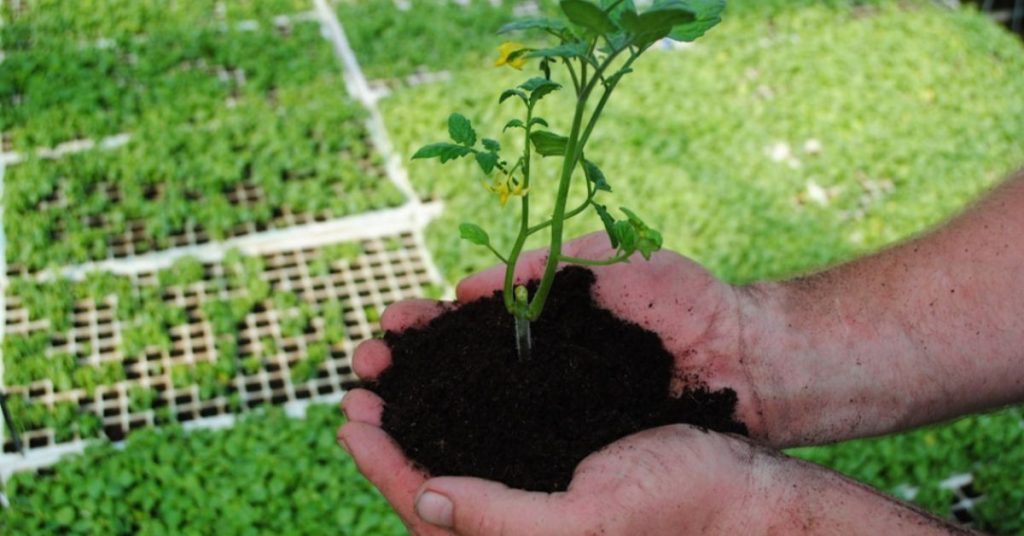
This is the tricky part. You must be very gentle. Turn the pot upside down while supporting the stem of the sunflower seedling between your fingers. Tap the bottom of the pot gently.

Do not pull the sunflower seedling out by the stem. This can break the delicate roots. The entire root ball should slide out into your hand. If the roots are tightly wound, you can very gently loosen the bottom edges.

Step 4: Placing and Filling

Place the sunflower seedling into the center of your hole. Hold it steady. Fill the empty space around the root ball with your prepared soil.

Press the soil down firmly with your hands. You want to remove large air pockets, but don’t pack it like concrete. Good soil contact helps the roots absorb water and nutrients immediately.

Step 5: The First Watering

Immediately after planting, water your sunflower seedling. This settles the soil around the roots. It also reduces transplant shock. Use a gentle spray so you don’t wash away the soil you just placed.

Growing Sunflowers in Pots vs. The Ground

Not everyone has a large backyard. You might be wondering how to plant a sunflower seedling in pots. The good news is that many varieties thrive in containers.

How to Plant a Sunflower Seedling in Pots

If you choose to grow in pots, size matters. Remember the taproot we mentioned earlier? It needs room to go down. Choose a pot that is at least 12 to 18 inches deep for standard varieties. Dwarf varieties can handle smaller pots.

Use high-quality potting mix, not garden soil. Garden soil is too heavy for containers. Ensure your pot has drainage holes. A soggy pot will kill a sunflower seedling faster than anything else.

How to Plant a Sunflower Seedling Indoors

You can keep sunflowers indoors if you have a very sunny window. However, they are happiest outside. If you are learning how to plant a sunflower seedling indoors, ensure you use grow lights. Windows often block the full spectrum of light the plant needs. Without enough light, the sunflower seedling will become weak and may not bloom.

How to Care for Sunflower Seedlings After Planting (Maintenance Tips)

You have successfully planted your sunflower seedling. Now, you need to keep it alive. The first few weeks are crucial for establishing the plant.

Protection from Pests

A young sunflower seedling is a tasty snack for many creatures. Snails and slugs love to eat the tender leaves. Birds and squirrels might dig them up.

You can protect your sunflower seedling by placing a protective collar around it. A cut plastic bottle works well. You can also use organic slug bait if pests are a major issue in your area.

Fertilizer Needs

Sunflowers are heavy feeders. They use a lot of nutrients to grow those big stalks. You can mix a slow-release fertilizer into the soil at planting time.

Once the sunflower seedling is established, you can use a liquid fertilizer. Look for one that is high in phosphorus if you want big blooms. Avoid too much nitrogen, or you will get lots of leaves but no flowers.

Support Stakes

As your sunflower seedling grows, it will get tall and top-heavy. Wind can easily snap the stem. It is wise to install a support stake early.

Place the stake near the stem but be careful of the roots. Tie the stem loosely to the stake with soft twine. This gives the plant support without strangling it as it grows.

From Seedling to Harvest

Watching your sunflower seedling grow into a mature plant is a rewarding experience. The growth stages are fascinating to observe.

First, the seedling develops more leaves. Then, a small bud forms at the top. This bud will track the sun across the sky. This is a behavior called heliotropism.

Eventually, the flower opens. This is when the pollinators arrive. Bees, bumblebees, and butterflies will visit your garden. They are essential for pollination. Without them, you won’t get seeds.

If you want to harvest sunflower seeds for food, let the flower head turn brown and dry on the stalk. The birds will try to eat them first, so you might need to cover the head with a mesh bag. Once dry, rub the seeds loose. You can roast them for a healthy snack or save them for bird food in the winter.

Conclusion

Gardening is an act of hope. When you hold a sunflower seedling, you are holding the promise of a bright summer day. Learning how to plant a sunflower seedling correctly is the first step in fulfilling that promise.

Remember to be gentle with the roots. Give them plenty of sun and protect them from hungry pests. With a little patience and care, your garden will soon be filled with golden blooms.

Whether you plant in the ground or in pots, the result is worth the effort. So, go out there and get planting. Your future flowers are waiting for you.

Reference Links:

Your Questions, Answered

When is the best time to plant sunflower seedlings?

The best time to plant a sunflower seedling is after the danger of frost has passed. Sunflowers love heat. The soil temperature should be at least 50°F (10°C). If you plant too early, the cold can stunt their growth.

You should plant a sunflower seedling at the same depth it was growing in its pot. Do not bury the stem deeply like you would a tomato plant. This can cause stem rot.

Water your sunflower seedling daily until it is established. The soil should stay moist but not swimming in water. Once the plant is a few feet tall, you can water deeply once or twice a week.

Yes, absolutely. Learning how to plant a sunflower seedling in pots is easy. Just ensure the pot is deep enough for the taproot. Dwarf varieties are excellent choices for container gardening.

It varies by variety. generally, it takes about 80 to 120 days from seed to bloom. A sunflower seedling bought from a nursery gives you a head start, so you might see blooms sooner.

Related Post

Leave a Reply

Your email address will not be published. Required fields are marked *