







How to Germinate Flower Seeds | Step-by-Step for Strong, Healthy Sprouts

How to Germinate Flower Seeds

Our editorial team individually chooses every product that is suggested on obonappetite. We might get paid if you buy something after clicking on any of these links.
There is something deeply satisfying about holding a tiny seed in the palm of your hand and knowing it holds the potential for life. Gardening is more than just a hobby; it’s an act of hope. When you plant a seed, you are believing in tomorrow. But if you’ve ever stared at a pot of soil for weeks, waiting for a sprout that never comes, you know the frustration that follows.

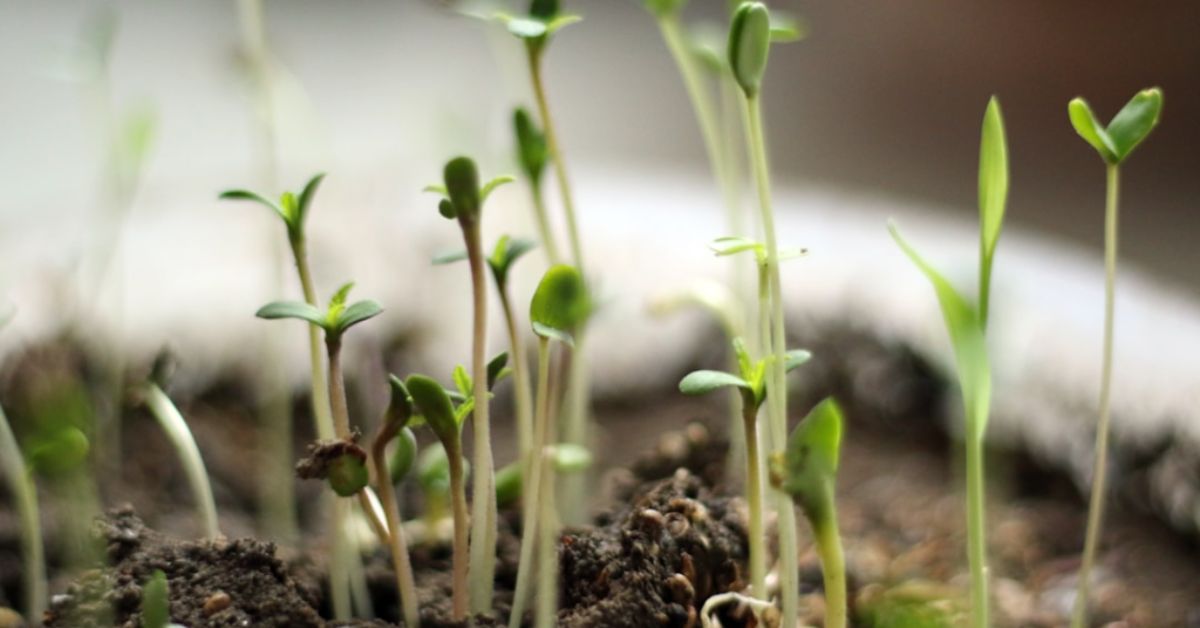
Germination is the magical moment when a dormant seed wakes up and begins to grow. It is the most critical stage in a plant’s life. Get it right, and you are on your way to a vibrant garden filled with color and fragrance. Get it wrong, and your garden dreams might end before they begin.

Whether you want to learn how to germinate flower seeds for a massive outdoor garden or simply how to germinate flower seeds indoors for a windowsill display, the principles remain the same. This guide will walk you through everything you need to know to turn those tiny specks into thriving plants.

Why Germination Is the Most Important Step in Growing Flowers

Think of germination as the foundation of a house. If the foundation is weak, the house won’t stand. Similarly, if a seed struggles to sprout, the resulting plant will often be weak, prone to disease, and produce fewer blooms.

A seed is a self-contained survival capsule. Inside is an embryo waiting for the right signals to break out of its shell. These signals are moisture, warmth, and sometimes light. When you provide these in the right balance, you trigger a biological chain reaction. The root pushes down to find water, and the shoot pushes up to find light.

Many beginners skip straight to buying established plants because they fear this stage. But starting seeds indoors with grow lights or even on a sunny sill gives you access to thousands of varieties you can’t find at a local nursery. Plus, watching a seedling emerge from the soil offers an emotional connection to your garden that buying a potted plant just can’t match.

How to Germinate Flower Seeds (Step-by-Step Guide)

Ready to get your hands dirty? Let’s break down the process. We will look at how to germinate flower seeds in a way that maximizes your success rate.

Step 1: Seed Preparation

Not all flower seeds are created equal. Some have hard outer shells that need a little help.

  • Soaking: For larger seeds like the Common sunflower or sweet peas, soaking them in warm water for 12-24 hours before planting can speed up germination. This softens the seed coat, allowing water to penetrate faster.
  • Scarification: Some very hard seeds need to be nicked with a file or sandpaper. This is called scarification.
  • Check the Packet: Always read the back of your seed packet. It is your best friend and will tell you if your specific flower seeds need special treatment.

Step 2: Choosing Your Containers and Soil

If you are learning how to germinate flower seeds in pots, drainage is key. You can use plastic seed trays, peat pots, or even recycled yogurt cups with holes poked in the bottom.

  • Soil: Never use garden soil for starting seeds indoors. It is too heavy and can carry diseases or pests. Instead, use a sterile seed-starting mix. This light, fluffy mixture usually contains peat moss or coconut coir and perlite. It holds soil moisture well while allowing delicate roots to breathe.

Step 3: Planting the Seeds

The general rule of thumb for seed depth is to plant a seed twice as deep as it is wide.

  • Tiny Seeds: Very small seeds, like petunias or snapdragons, often need light exposure to sprout. You should press these gently onto the surface of the moist soil but do not cover them.

  • Larger Seeds: For a Sunflower seed, poke a hole about an inch deep, drop the seed in, and cover it loosely with soil.

  • Spacing: Don’t crowd them. Give each seed its own space to minimize competition for nutrients.

Step 4: Watering Techniques

Water is the trigger for life, but too much can be deadly.

  • Initial Water: Moisten your soil mix before filling your pots. It should feel like a wrung-out sponge—damp, but not dripping.

  • Misting: Once seeds are planted, use a spray bottle to mist the surface. A heavy stream of water from a watering can will wash small seeds away or bury them too deep.

  • Covering: Cover your pots with a plastic dome or plastic wrap to create a mini greenhouse effect. This locks in humidity.

Step 5: The Waiting Game

Now, place your pots in a warm spot. Most flower seeds don’t need light to sprout, just warmth. The top of a refrigerator is often a great spot. Check them daily. As soon as you see a tiny speck of green, remove the plastic cover immediately and move them to a bright light source.

Best Germination Conditions: Light, Temperature, and Moisture Control

To understand how to grow flowers from seeds faster, you must master the environment. Seeds are fussy. They need conditions to be “just right.”

Best Germination Conditions

Temperature Control

Most summer annuals, like zinnias and marigolds, love warmth. They prefer temperature ranges between 70°F and 80°F (21°C – 27°C). If the soil is too cold, the seeds will sit dormant and eventually rot.

  • Heat Mats: If your home is cool, consider investing in a seedling heat mat. This sits under your trays and gently warms the soil from the bottom up. This is a secret weapon for those asking how to germinate seeds quickly.

Light Exposure

Once the seedling breaks the surface, it craves light. Weak, spindly plants are usually a sign of insufficient light.

  • Grow Lights: If you are starting seeds indoors with grow lights, keep the lights just 2-3 inches above the tops of the plants. Move the lights up as the plants grow.

  • Windows: If using a window, a south-facing one is best. Rotate your pots daily so the plants don’t lean too much toward the glass.

Soil Moisture and Humidity

Humidity levels need to be high before germination and lower afterwards.

  • Plastic Domes: As mentioned, keep the humidity high with a dome until they sprout.

Damping Off: After sprouting, air circulation is crucial to prevent a fungal disease called “damping off,” which kills young seedlings at the soil line. A small fan blowing gently near (not directly on) the plants helps build strong stems and prevents fungal growth.

Common Mistakes to Avoid During Seed Germination

Even experienced gardeners make mistakes. Here are the pitfalls to watch out for when learning how to germinate flower seeds.

Common Mistakes to Avoid During Seed Germination

1. Planting Too Deep

This is the most common reason flower seeds fail to sprout. The little embryo only has so much energy stored. If it has to push through three inches of heavy clay or loam, it will run out of gas before it reaches the surface. When in doubt, plant shallower.

2. Overwatering

It comes from a place of love, but drowning your seeds is fatal. Roots need oxygen. If the soil is waterlogged, the seed will rot. The soil should be moist, not soggy. If you squeeze a handful of soil and water drips out, it is too wet.

3. Ignoring Temperature

Planting warm-weather crops like peppers or sunflowers too early outside often fails because the soil is cold. Frost will kill tender seedlings instantly. If you are learning how to germinate flower seeds at home, be patient. Wait for the soil to warm up, or start them indoors on a heat mat.

4. Not Hardening Off

You’ve successfully grown beautiful seedlings indoors. The sun is shining, so you move them straight to the garden. The next day, they are white and withered. This is sunburn.

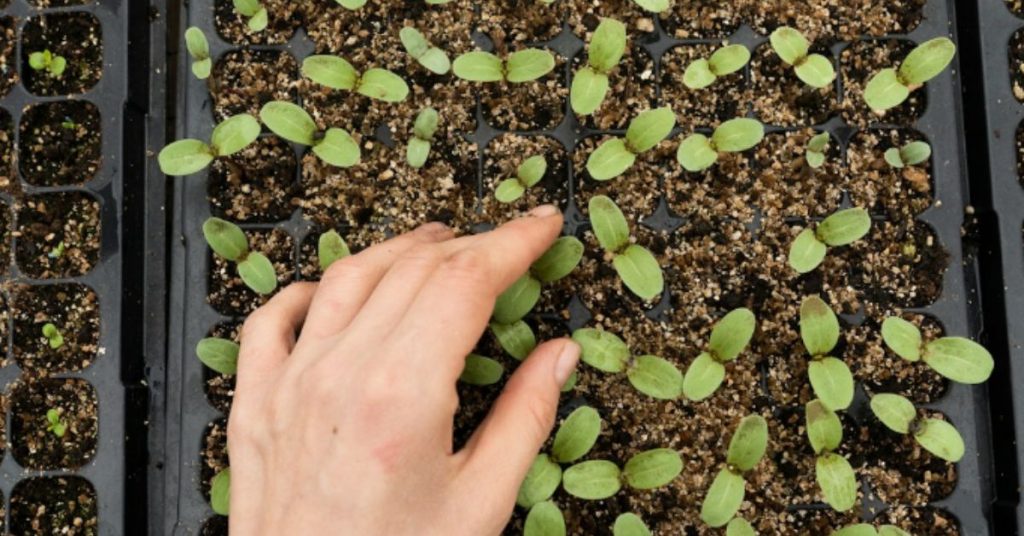
  • Transplanting: You must acclimate your indoor plants to the outside world slowly. This process is called “hardening off.” Put them outside in the shade for an hour, then bring them in. Increase the time and sun exposure gradually over a week before planting them in the ground.

Tips for Specific Flowers

Sunflowers (Helianthus)

The Sunflower seed is large and easy to handle, making it perfect for kids. They grow fast and need plenty of nutrients.

  • How to grow flowers from seeds in pots: Choose a large pot for sunflowers as they have a deep tap root.

  • Protection: Birds, squirrels, and other animals love these seeds. You might need to cover your outdoor planted seeds with netting until they sprout.

Pollinator Favorites

If you want to attract a bee, bumblebee, or butterfly to your garden, plant cosmos or zinnias.

  • Soil Health: These plants aren’t too fussy, but adding some compost or organic horticulture fertilizer helps.

  • Sowing: Scatter seeds directly in the garden after the last frost. They are some of the best flowers to grow from seed indoors or out.

Conclusion

Learning how to germinate flower seeds opens up a world of possibilities. It saves you money, but more importantly, it connects you to the cycle of the seasons. There is a specific joy in eating a vegetable or smelling a flower that you nurtured from a dry speck of dust.

Don’t be discouraged by a few failures; they are the best teachers. Check your soil moisture, watch your temperature control, and keep an eye on your light exposure. Before you know it, you will be looking at a garden full of life—bees buzzing, stems stretching, and buds opening—all because you took the time to plant a seed.

Reference Links:

Your Questions, Answered

How long does it take for flower seeds to germinate?

It varies wildly by species. Some, like marigolds and zinnias, can pop up in 3-5 days. Others, like parsley or certain perennials, can take 2-3 weeks. Always check the germination time listed on your seed packet. Patience is a virtue here!

Most flower seeds prefer darkness or don’t care, but there are important exceptions. Tiny seeds like lettuce, petunias, and coleus need light to trigger growth. Usually, the rule is: if you cover it with soil, it needs darkness. If you surface sow, it needs light.

Yes! This is a great method to test old seeds. Place seeds on a damp paper towel, fold it over, and put it in a ziplock bag. Keep it warm. Once you see the white root emerge, gently transplant it into soil. This is a very effective way to see how to germinate seeds quickly.

The usual suspects are:

  1. Old seeds: Seeds lose viability over time.
  2. Too cold: The soil temperature wasn’t high enough.
  3. Too wet/dry: Inconsistent moisture kills seeds.

planted too deep: The sprout couldn’t reach the surface.

For most summer annuals and vegetables, a steady temperature between 70-75°F (21-24°C) is the sweet spot. Cool-weather crops like spinach or pansies prefer it cooler, around 55-65°F (13-18°C). Using a heat mat is the easiest way to control this variable when starting seeds indoors with grow lights.

Related Post

Leave a Reply

Your email address will not be published. Required fields are marked *