







Our editorial team individually chooses every product that is suggested on obonappetite. We might get paid if you buy something after clicking on any of these links.
A silver ring is typically worth between $5 and $50 based on melt value alone, though sterling silver rings with gemstones, designer names, or antique status can sell for much more. The real value depends on purity, weight, and the current silver spot price. Use this guide to calculate your ring’s worth before you sell. Explore more Jewelry ideas from the Amazon shop.
So you found an old silver ring in a drawer, or maybe you inherited one from a family member. You’re probably wondering, “How much is a silver ring worth?” The answer isn’t always simple, but it’s not complicated either.
A silver ring’s value comes down to a few clear factors: how pure the silver is, how much it weighs, and what silver is selling for today. Add in things like craftsmanship, brand name, or gemstones, and the number can shift quite a bit.
This guide breaks down exactly how much a silver ring is worth, how to calculate it yourself, and where to sell it for the best price. Let’s get into it.
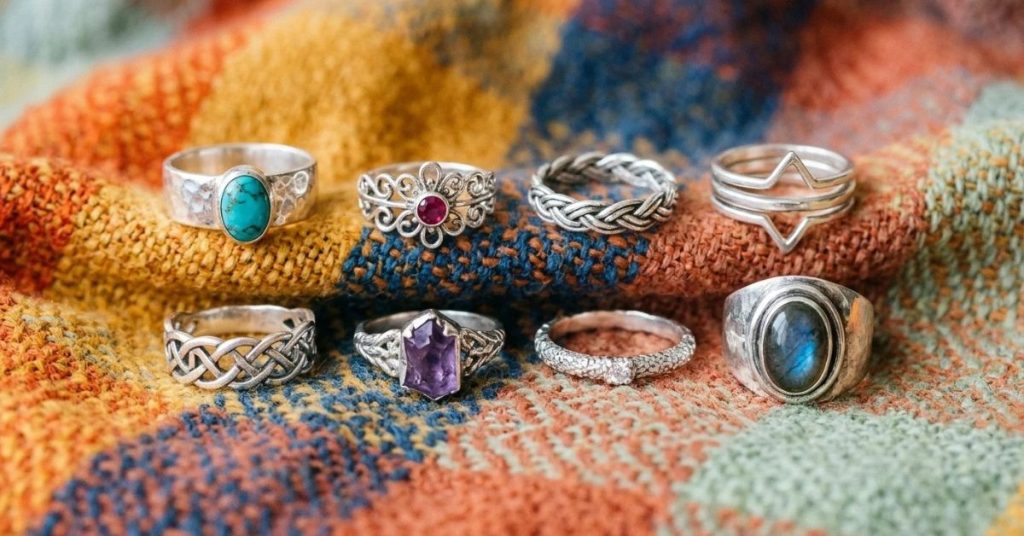
Most silver rings fall into two value categories: melt value and retail value. These numbers can be wildly different.
Melt value is what your silver ring is worth if it were melted down for its raw silver content. This is based purely on weight and purity. On average, a basic sterling silver ring might have a melt value of $5 to $15, depending on the current silver spot price. Explore Silver Ring ruby engagement ring with diamonds for Women from the Amazon shop.
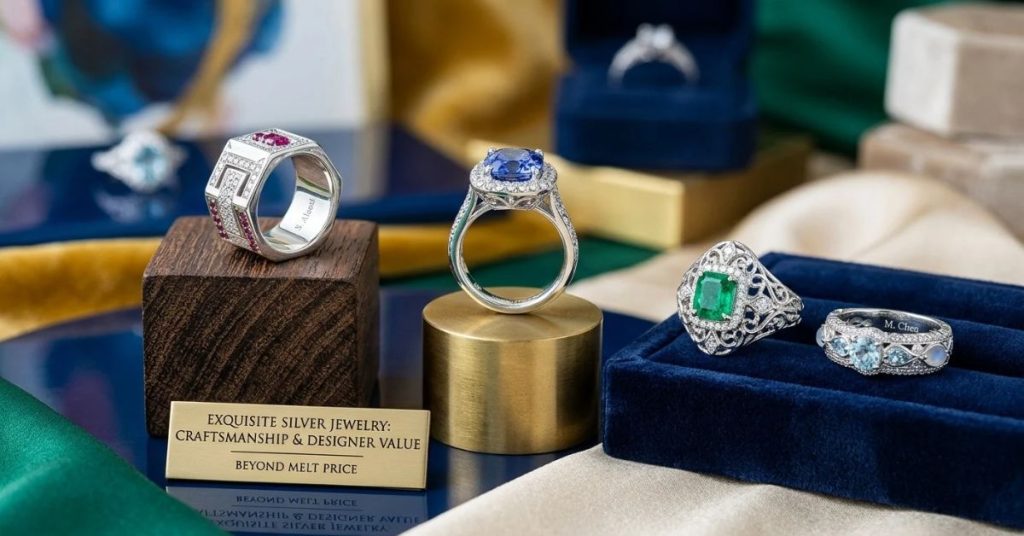
Retail value is a different story. This includes the craftsmanship, brand, design, and any gemstones in the piece. A sterling silver ring from a well-known jeweler could retail for $50 to $300 or more, even though its melt value is just a fraction of that.
If you’re asking how much is a silver ring worth today, the honest answer is: it depends on whether you’re selling for scrap or selling it as a finished piece of jewelry. Buyers who purchase scrap silver only care about melt value. Buyers shopping for jewelry care about design, condition, and brand.
Several factors work together to determine what your silver ring is actually worth. Let’s go through each one.
Silver Purity & Hallmarks (925 Sterling vs. Pure Silver)
Not all silver is the same. Purity is measured in parts per thousand, and it’s usually stamped right on the ring.
A 925 silver ring means the piece is 92.5% pure silver, mixed with other metals like copper for strength. This is what we call sterling silver, and it’s the most common type used in jewelry.
Pure silver, marked 999, is 99.9% silver. It’s softer and less common in rings because it scratches and bends more easily.
Look for stamps like “925,” “999,” or “800” inside the band. These hallmarks tell you exactly how much silver content you’re working with, which directly affects how much a sterling silver ring is worth.
Total Weight in Grams or Troy Ounces
Weight matters just as much as purity. The heavier the ring, the more silver it contains, and the more it’s worth.
Silver is usually priced per troy ounce (31.1 grams). A small, delicate silver ring might weigh just 2 to 4 grams. A chunky statement ring could weigh 10 grams or more.
Even a few grams of difference can change the melt value noticeably, especially when silver prices rise.
Current Spot Price of Silver
The silver spot price is the live market rate for one troy ounce of pure silver. It changes daily based on global supply, demand, and economic conditions.
When the spot price goes up, your silver ring’s melt value goes up too. When it drops, so does the value. Checking the current silver spot price before you sell can help you avoid lowball offers.
Brand, Designer, or Antique Status
A silver ring from a recognized designer or luxury brand often sells for far more than its melt value. Think of brands like Tiffany & Co. or James Avery.
Antique silver rings can also carry extra value, especially if they’re rare, well-preserved, or tied to a specific era. Collectors sometimes pay a premium for pieces with historical significance.
A silver class ring, for example, might not be worth much in melt value, but it could hold sentimental or collector value depending on the school, year, and condition.
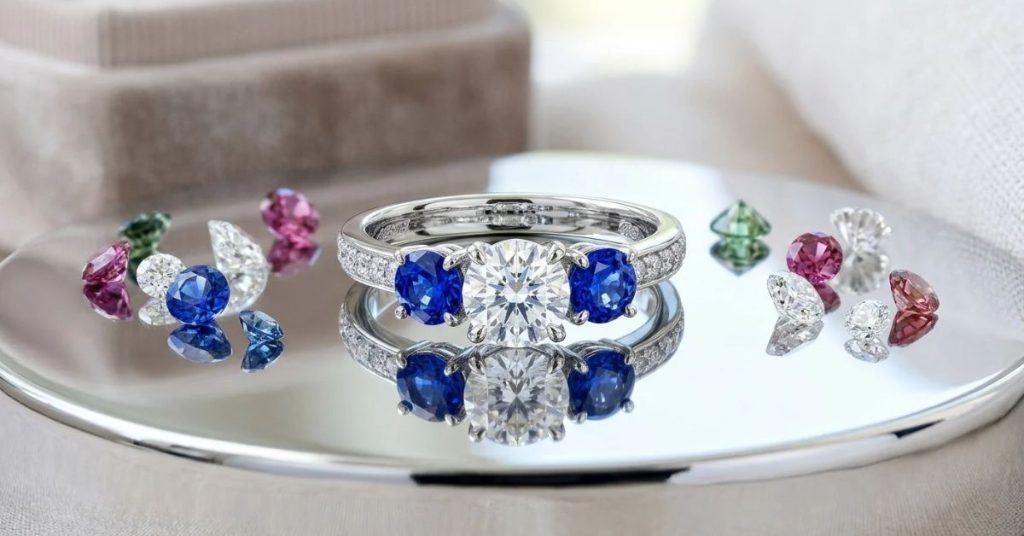
Diamonds, sapphires, or other gemstones set in a silver ring add value beyond the metal itself. The size, clarity, and cut of the stone all play a role.
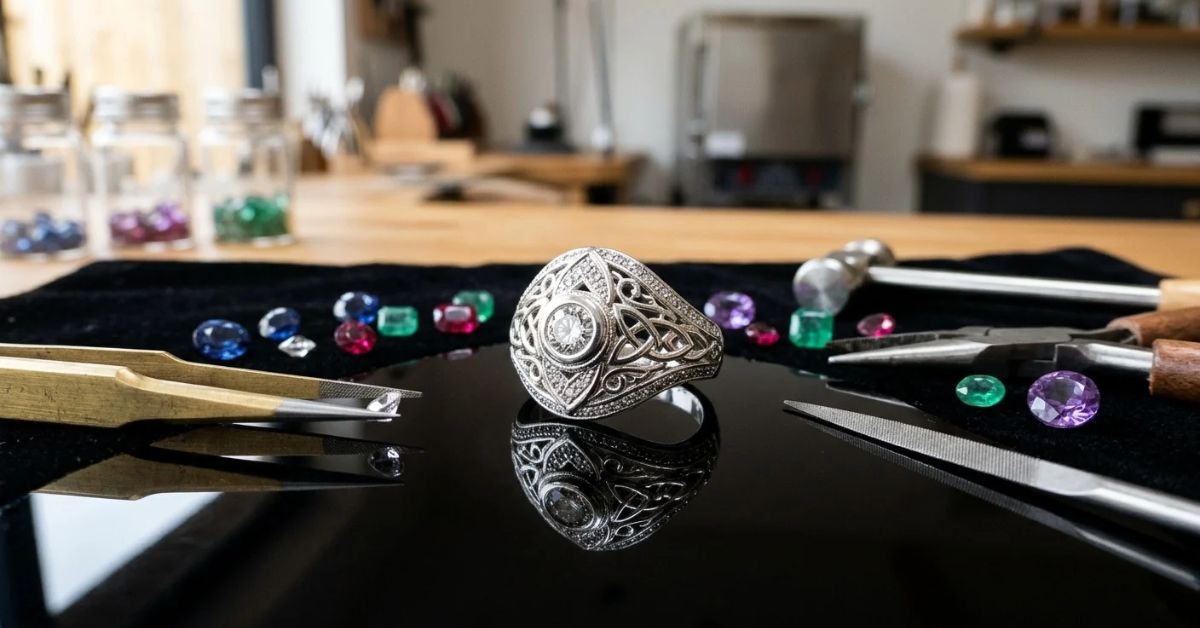
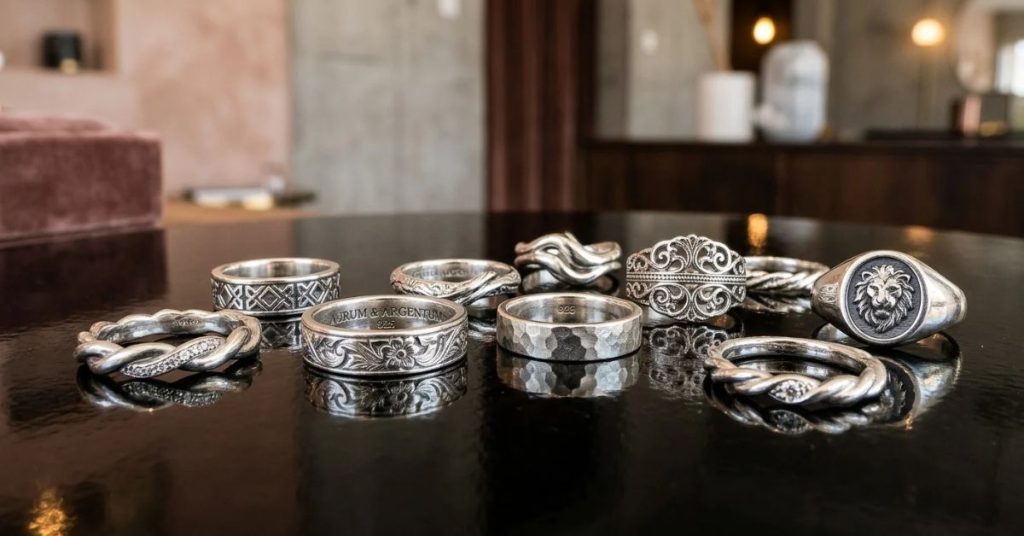
Intricate craftsmanship, like filigree work or hand-engraving, can also boost a silver ring’s worth. Artisan-made pieces often sell for more than mass-produced ones, even with the same silver content.
Want to know exactly how much your silver ring is worth right now? Here’s a simple three-step process.
Check for Purity Stamps (925, 999, 800)
Look inside the band for a small stamp. Common marks include:
If you can’t find a stamp, you may need a jeweler to test the ring using an acid test or electronic silver tester.
Weigh the Ring on a Digital Scale
Use a digital scale that measures in grams for accuracy. Most silver rings weigh somewhere between 2 and 10 grams.
Write down the exact weight. You’ll need this number for your calculation.
Multiply by the Current Silver Spot Price
Here’s the formula:
(Weight in grams ÷ 31.1) × Purity percentage × Current silver spot price = Melt value
For example, let’s say you have a 925 silver ring that weighs 5 grams, and silver is trading at $30 per troy ounce.
(5 ÷ 31.1) × 0.925 × $30 = roughly $4.46
That’s your melt value. Keep in mind this is a baseline number. If your ring has gemstones, a brand name, or collectible appeal, it could be worth considerably more.
Once you know your silver ring’s value, the next step is finding the right buyer. Different buyers offer different prices, so it pays to shop around.
Local Coin & Bullion Dealers
Coin and bullion shops buy silver based on weight and purity, close to melt value. They’re a solid option if you’re selling scrap silver or a ring with no retail appeal.
Online Marketplaces (eBay, Poshmark, Etsy)
If your silver ring has retail or vintage appeal, platforms like eBay, Poshmark, or Etsy can help you reach buyers willing to pay above melt value. This works best for designer pieces or rings in excellent condition.
Reputable Online Cash-for-Silver Buyers
Several established online buyers specialize in purchasing silver jewelry. They typically offer a quote based on current silver market rate, then mail you a check or payment after verifying the item. Always research reviews before mailing anything.
Pawn Shops & Local Jewelers (What to Watch Out For)
Pawn shops and local jewelers offer convenience, but they often pay less than melt value to leave room for profit. Always get a second opinion before accepting an offer, and ask how they calculated the price.
Figuring out how much a silver ring is worth doesn’t require a jewelry degree. Check the purity stamp, weigh the ring, and multiply by the current silver spot price. That gives you a solid starting point.
From there, factor in extras like gemstones, brand name, or antique status, since these can push the value well above melt price. Compare offers from a few different buyers before you sell, whether that’s a local dealer, an online marketplace, or a cash-for-silver company.
A little research now means more money in your pocket later.
Yes, a 925 silver ring holds real value because it’s 92.5% pure silver. Its worth depends on weight and the current silver spot price, typically ranging from $5 to $20 for melt value alone, with more if it includes gemstones or a brand name.
Pawn shops usually pay 40% to 60% of the melt value for a sterling silver ring. They need room to resell at a profit, so their offers tend to be lower than coin dealers or online buyers.
Look for a purity stamp like 925, 999, or 800 inside the band. You can also try a magnet test, since real silver isn’t magnetic, or look for slight tarnishing, which is common with genuine silver.
Silver rings hold value tied to the silver market rate, which fluctuates daily. Sterling silver value can rise or fall with market conditions, but designer or antique rings often hold or increase in value due to demand beyond just metal content.
Retail prices include markup for craftsmanship, branding, and retailer profit margins. When you sell, buyers typically offer closer to melt value or wholesale price, which is almost always lower than the original purchase cost.

Our editorial team individually chooses every product that is suggested on obonappetite. We might get paid if you buy something

Our editorial team individually chooses every product that is suggested on obonappetite. We might get paid if you buy something
Our editorial team individually chooses every product that is suggested on obonappetite. We might get paid if you buy something