


What Happened to Borghese Cosmetics?

what happened to Borghese Cosmetics

Our editorial team individually chooses every product that is suggested on obonappetite. We might get paid if you buy something after clicking on any of these links.

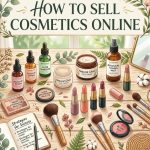
To sell cosmetics online, you need to choose the right e-commerce platform, comply with cosmetic industry regulations, source quality ingredients or products, build a recognizable brand, and market effectively through social media and SEO. This guide walks you through every step.

The global cosmetics e-commerce market is booming. More consumers are shopping for beauty products online than ever before—and that number keeps climbing. Whether you’re launching a skincare line from your kitchen or scaling a full makeup brand, there’s real opportunity here.

But building a profitable online beauty business takes more than great packaging and a Shopify store. You need strategy, compliance knowledge, and a clear understanding of your target audience. This guide covers all of it.

Why Now Is the Perfect Time to Launch an Online Cosmetics Brand

The beauty industry is one of the most resilient retail sectors in the world. According to Statista, the global cosmetics market was valued at over $430 billion in 2022 and is expected to grow steadily through 2030. Personal care products continue to sell—even during economic downturns.

Consumer behavior has also shifted. More shoppers now prefer browsing and buying beauty products online, especially through mobile shopping platforms. TikTok alone has transformed how beauty brands reach new customers, with viral product moments driving millions in sales overnight.

On top of that, e-commerce tools have never been more accessible. Platforms like Shopify make it easier than ever to launch a professional online storefront setup—even with a small budget. The barrier to entry is low. The potential? High.

Why Doesn’t Sephora Sell Chanel Makeup?

What is Chanel’s Exclusive Retail Strategy?

Chanel operates with a highly exclusive retail strategy. They believe that limiting where you can buy Chanel makeup increases its desirability.

This exclusivity ensures that when you buy Chanel makeup, it feels like a special event. They want to maintain their status alongside other top-tier Luxury goods.

How Do Luxury Brand Distribution Policies Work?

Luxury brand distribution policies dictate exactly who can sell high-end beauty products. Chanel refuses to sell its products in environments where they cannot control the lighting, shelving, and customer service.

By avoiding open-sell cosmetic retailers, they protect their brand prestige. They ensure knowledgeable specialists assist every customer.

What Are Chanel Boutique & Department Store Partnerships?

Chanel partners almost exclusively with luxury department stores. They build dedicated counters staffed by their own trained beauty advisors.

This model differs vastly from Sephora’s self-serve environment. Chanel wants you to have a personalized, guided luxury experience.

How Do Online vs In-Store Availability Differ?

Online shopping for Chanel makeup is just as restricted as in-store shopping. Chanel limits online sales to their official website and the websites of their authorized department store partners.

You cannot buy authentic Chanel makeup through third-party discount sites. I highly advise avoiding any site claiming to be a chanel makeup outlet online.

What Are the Differences Between Sephora and Chanel Beauty Sales?

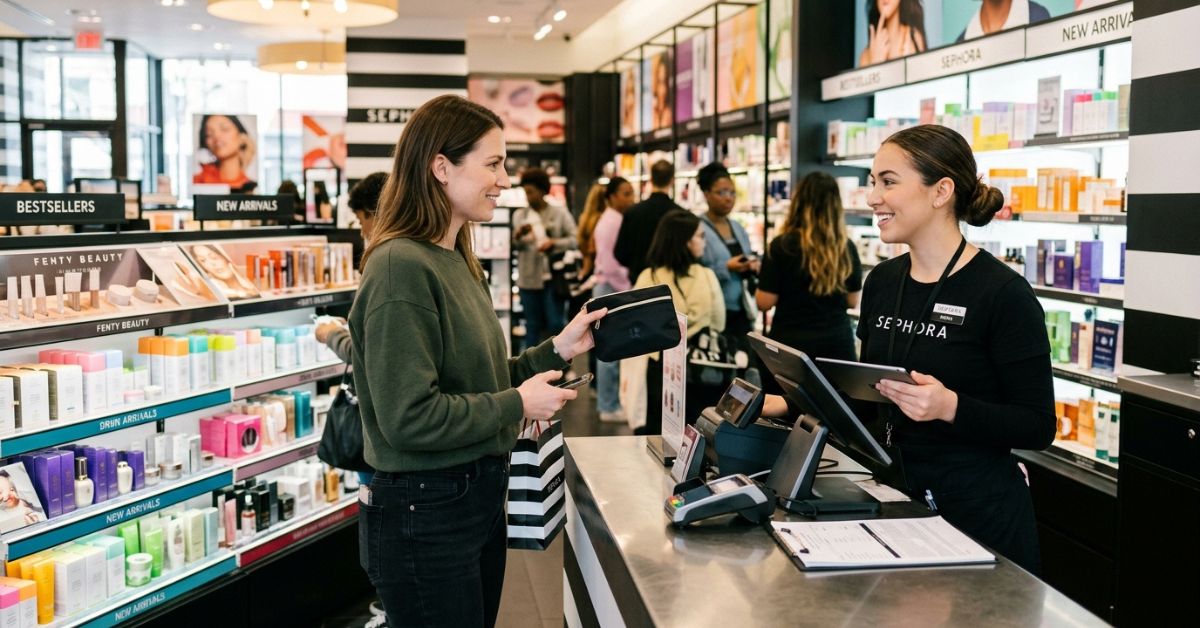
Sephora thrives on giving customers the freedom to swatch, play, and mix brands. Sephora is owned by LVMH, which houses many competitor brands.

Chanel prefers a closed, pristine environment. They want you focused solely on Chanel makeup when you are at their counter.

How to Sell Cosmetics Online: A Step-by-Step Launch Blueprint

Step 1: Define Your Niche and Target Audience

Before you sell a single product, know exactly who you’re selling to. Target audience analysis is the foundation of your entire brand.

Ask yourself: Are you targeting Gen Z consumers looking for bold, expressive makeup? Busy professionals who want clean skincare? Eco-conscious shoppers who prioritize sustainable packaging?

Your niche shapes everything—from your brand building strategy to your product photography tips. The more clearly you define your audience, the more effective your marketing becomes.

Step 2: Build Your Brand Identity

Your brand is more than a logo. It’s the story you tell, the packaging you choose, and the way you communicate with customers.

Strong cosmetics brands—like Glossier, Fenty Beauty, and Rare Beauty—lead with a clear identity. Pick a brand name, a visual style, and a brand voice that speaks directly to your target customer.

Invest in quality packaging. For beauty products, packaging is often the first purchase trigger. It signals quality, communicates values, and builds trust before the customer even opens the product.

Step 3: Develop or Source Your Products

You have two main paths here: create your own formulas or source from a supplier.

Private label: You work with a manufacturer who produces products under your brand. This is faster, more affordable, and lowers the risk associated with product development.

Custom formulation: You develop original products, either yourself or with a cosmetic chemist. This path costs more and takes longer, but it gives you complete control over ingredients and differentiation.

Whichever route you choose, test your products thoroughly before selling. Safety comes first—and so does compliance.

Step 4: Set Competitive Pricing

Competitive pricing strategies matter more than most new sellers realize. Price too low, and customers question quality. Price too high without brand authority, and you’ll lose sales to established competitors.

Research similar products on Shopify stores, Amazon, and Etsy. Factor in your cost of goods, shipping and fulfillment, platform fees, and desired margin. Then price accordingly—with room to run promotions without going into the red.

Best Platforms to Sell Cosmetics Online: Shopify, Amazon, Etsy, or Social Commerce?

Choosing where to sell cosmetics is one of the biggest decisions you’ll make. Here’s a breakdown of your main options:

Shopify

Shopify gives you full control over your online storefront setup, brand experience, and customer data. It’s the best option if you’re serious about building a standalone beauty brand. Payment gateway integration is seamless, and the platform supports mobile shopping optimization out of the box.

Amazon

Amazon offers unmatched reach and built-in customer trust. The trade-off is fierce competition, strict rules around personal care products, and limited brand differentiation. It works best as a secondary channel once your brand is established.

Etsy

Etsy suits handmade or artisan beauty products well. If you make small-batch soaps, candles, or natural skincare, Etsy connects you with buyers actively searching for those items. It’s also worth noting that Mercari is growing as an alternative resale platform for beauty products.

Social Commerce (TikTok, Instagram)

TikTok Shop and Instagram Shopping are transforming cosmetics e-commerce. Social media advertising lets you reach highly targeted audiences, and content-driven sales—through tutorials, reviews, and influencer partnerships—can drive explosive growth. Platforms like Glambot also give beauty brands access to enthusiastic consumer communities.

The smartest approach? Start with Shopify as your home base, then use Amazon and social commerce to drive traffic back to your store.

How to Handle Regulations, Sourcing, and Inventory

Do You Need a License to Sell Cosmetics?

Regulations vary by country. In the United States, the FDA regulates cosmetics under the Federal Food, Drug, and Cosmetic Act. You don’t need a formal license to sell most cosmetics, but your products must be safe, properly labeled, and free from prohibited ingredients.

If you’re exploring how to sell cosmetics online in India, you’ll need to comply with the Bureau of Indian Standards (BIS) and the Drugs and Cosmetics Act, which may require registration depending on product type.

Always consult a regulatory expert or cosmetic industry lawyer before launching—especially if you’re making claims that could classify your product as a drug (like “treats acne” or “reduces wrinkles”).

Sourcing Ingredients and Suppliers

Work with reputable, certified suppliers. Ask for certificates of analysis (COA) for every ingredient. If you’re private labeling, request samples and third-party testing results from your manufacturer.

Look for suppliers that comply with Good Manufacturing Practices (GMP). This protects your customers—and your brand—from liability.

Your Next Steps for Upgrading Your Beauty Routine

Do You Need a License to Sell Cosmetics?

Regulations vary by country. In the United States, the FDA regulates cosmetics under the Federal Food, Drug, and Cosmetic Act. You don’t need a formal license to sell most cosmetics, but your products must be safe, properly labeled, and free from prohibited ingredients.

If you’re exploring how to sell cosmetics online in India, you’ll need to comply with the Bureau of Indian Standards (BIS) and the Drugs and Cosmetics Act, which may require registration depending on product type.

Always consult a regulatory expert or cosmetic industry lawyer before launching—especially if you’re making claims that could classify your product as a drug (like “treats acne” or “reduces wrinkles”).

Sourcing Ingredients and Suppliers

Work with reputable, certified suppliers. Ask for certificates of analysis (COA) for every ingredient. If you’re private labeling, request samples and third-party testing results from your manufacturer.

Look for suppliers that comply with Good Manufacturing Practices (GMP). This protects your customers—and your brand—from liability.

Shipping and Fulfillment

Beauty products come with specific shipping challenges. Fragile glass bottles, liquid formulas, and temperature-sensitive items all need careful handling.

Use bubble wrap and padded mailers for fragile items. Store temperature-sensitive products—like certain serums or lip balms—in climate-controlled spaces. When shipping internationally, check whether your products fall under dangerous goods regulations, as some aerosols and alcohol-based formulas require special handling.

The United States Postal Service (USPS), UPS, and FedEx all offer shipping options suited to small beauty businesses. Compare rates and delivery times to find what works for your volume and customer expectations.

Managing Customer Reviews

Customer reviews management is critical in the beauty industry. Shoppers rely heavily on reviews—especially for products they can’t try before buying.

Send post-purchase follow-ups encouraging reviews. Respond to negative feedback professionally and quickly. Positive reviews build trust; how you handle negative ones builds credibility.

Start Selling—and Keep Improving

Selling cosmetics online rewards those who are willing to learn, adapt, and stay close to their customers. The brands that win aren’t always the ones with the biggest budgets—they’re the ones that understand their audience, create products people love, and market with consistency.

Start with a clear niche. Build a brand with purpose. Choose the right platform. Stay compliant. And never stop optimizing—your SEO for beauty products, your digital marketing for cosmetics, your product photography, and your customer engagement strategies all compound over time.

The beauty industry has room for new voices. Yours could be one of them.

Related Articles

Reference Links: We like

Your Questions, Answered

Do I need a license to sell cosmetics online?

In the US, you don’t need a license to sell most cosmetics, but your products must comply with FDA regulations—including proper labeling, ingredient safety, and no prohibited substances. Some product types, like SPF formulas, are regulated as over-the-counter drugs and have additional requirements. Always verify regulations in your target market before launching.

Startup costs vary widely. A basic private-label cosmetics brand on Shopify can launch for $2,000–$10,000, covering product inventory, packaging, a website, and initial marketing. Custom formulations, professional photography, and paid advertising can push that figure higher. Starting lean and scaling as revenue grows is a practical approach for most new brands.

Send your products to a third-party laboratory for safety and stability testing. Key tests include microbial testing, patch testing for skin irritation, and stability testing to verify shelf life. If you’re working with a manufacturer, request their existing test results—but always verify independently if you’re making specific claims.

Use double-walled boxes, bubble wrap, and foam inserts for fragile glass items. For temperature-sensitive products like serums or balms, use insulated packaging and ice packs during warmer months. Consider shipping in smaller batches during heatwaves and communicate proactively with customers about potential transit risks.

Yes—but with conditions. In the US, homemade cosmetics must still comply with FDA regulations on labeling, ingredient safety, and manufacturing standards. Products made in non-certified facilities carry higher risk. If you plan to sell homemade items at scale, consult a cosmetic regulatory consultant and consider getting your facility inspected or certified.

Related Post

Leave a Reply

Your email address will not be published. Required fields are marked *